
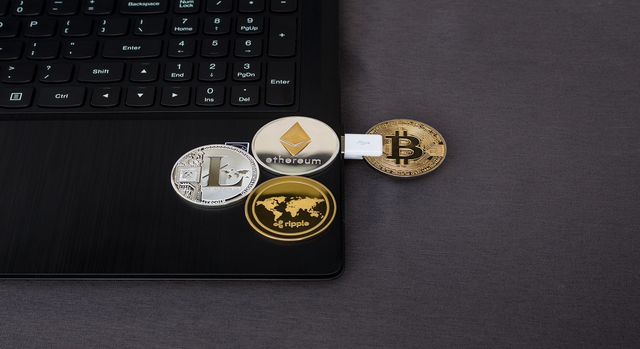
In today's digital age, the rise of cryptocurrencies has transformed how we think about money and transactions. As these digital assets become more mainstream, understanding how to use crypto wallets safely is crucial for protecting your investments. Whether you're a seasoned crypto enthusiast or a newcomer, knowing how to secure your digital wealth is essential.
Crypto wallets are the gateway to managing your cryptocurrencies, allowing you to store, send, and receive digital assets. However, with the increasing value of cryptocurrencies, they have also become a target for cybercriminals. In this guide, we'll explore the best practices for using crypto wallets safely, ensuring your assets remain secure.
Understanding Crypto Wallets
Before diving into how to use crypto wallets safely, it's important to understand what they are and how they function. A crypto wallet is a digital tool that allows you to store and manage your cryptocurrencies. Unlike a physical wallet, a crypto wallet doesn't store the currency itself but rather the keys needed to access your digital funds on the blockchain.
Crypto wallets come in various forms, including hardware wallets, software wallets, online wallets, and paper wallets. Each type has its advantages and drawbacks, depending on your needs and level of security. Hardware wallets, for instance, are physical devices that store your keys offline, providing a high level of security against online threats. Software wallets, on the other hand, offer convenience and accessibility but may be more vulnerable to hacking.
Choosing the right type of crypto wallet depends on several factors, including your investment size, how frequently you trade, and your comfort level with technology. As you learn how to use crypto wallets safely, keep in mind that the choice of wallet plays a significant role in securing your assets.
Best Practices for Crypto Wallet Security
Using crypto wallets safely requires following a set of best practices. These practices help protect your assets from unauthorized access and potential loss. Here are some essential tips for maintaining wallet security:
1. Use Strong Passwords: Always choose a strong, unique password for your crypto wallet. Avoid using easily guessable information like birthdays or common phrases. A combination of uppercase and lowercase letters, numbers, and special characters can significantly enhance your password strength.
2. Enable Two-Factor Authentication (2FA): Whenever possible, enable two-factor authentication on your crypto wallet. This adds an extra layer of security by requiring a second form of verification, such as a text message or authentication app, alongside your password.
3. Regularly Update Software: Ensure your wallet software and any related applications are up-to-date. Software updates often include security patches that protect against vulnerabilities and emerging threats.
4. Backup Your Wallet: Regularly backup your wallet and store the backup in a secure location. This ensures that you can recover your funds in case of device loss or failure.
5. Be Cautious with Public Wi-Fi: Avoid accessing your crypto wallet over public Wi-Fi networks, as these networks can be easily compromised. If necessary, use a virtual private network (VPN) for an added layer of security.
Common Security Mistakes to Avoid
Even with the best intentions, it's easy to make mistakes that could compromise your crypto wallet's security. Here are some common pitfalls to avoid:
- Sharing Private Keys: Never share your private keys with anyone, as they grant direct access to your wallet and funds.
- Ignoring Phishing Attempts: Be wary of phishing emails or websites that mimic legitimate crypto services. Always double-check URLs and sender information.
- Reusing Passwords: Using the same password across multiple accounts increases the risk of a security breach. Always use unique passwords for each account.
The Importance of Keeping Your Private Keys Secure
One of the most critical aspects of using crypto wallets safely is the management of private keys. Private keys are the cryptographic keys that allow you to access and control your cryptocurrencies. Without them, you cannot access your funds, making their security paramount.
Private keys should be stored securely and never shared with anyone. Many wallet solutions provide a seed phrase or recovery phrase, which is a series of words that can be used to recover your private keys if lost. Store this phrase in a safe, offline location, and never store it digitally where it could be exposed to online threats.
FAQ About Private Keys and Security
To further clarify the importance of private key security, here are some frequently asked questions:
- Q: Can I store my private keys online?
A: It's not recommended due to the risk of hacking. Always store your private keys offline.
- Q: What happens if I lose my private keys?
A: If you lose your private keys and don't have a backup, you lose access to your funds permanently.
- Q: How can I create a secure backup of my private keys?
A: Use a hardware wallet or write down the recovery phrase and store it in a secure location.
Choosing the Right Crypto Wallet for Your Needs
When learning how to use crypto wallets safely, selecting the right wallet type is crucial. Consider your specific needs and preferences to make an informed choice. Here are some factors to consider:
1. Frequency of Transactions: If you frequently trade or use cryptocurrencies for everyday transactions, a mobile or software wallet may offer the convenience you need. These wallets provide easy access but require strict security measures.
2. Long-term Storage: For long-term storage of large amounts of crypto, a hardware wallet is ideal. They are less susceptible to online threats and provide a higher level of security.
3. User Experience: Choose a wallet that you find intuitive and easy to use. A complicated interface can lead to user errors, which might impact security.
4. Supported Cryptocurrencies: Ensure the wallet you choose supports the specific cryptocurrencies you intend to hold. Not all wallets support every type of digital asset.
Ensuring Transaction Safety
Another key aspect of using crypto wallets safely is ensuring the security of your transactions. Transactions on the blockchain are irreversible, making it essential to take precautions before sending or receiving funds.
Before initiating a transaction, double-check the recipient's address to ensure accuracy. A small mistake in the address can lead to a permanent loss of funds, as transactions cannot be undone. Consider sending a small test transaction if you're unsure of the process or the recipient's address.
Additionally, be mindful of transaction fees. Different cryptocurrencies have varying fee structures, and it's important to understand these costs before proceeding. High fees can erode your holdings, especially with frequent transactions.
FAQ About Transaction Safety
To address common concerns about transaction safety, here are some frequently asked questions:
- Q: How can I verify a recipient's address?
A: Always double-check and verify the recipient's address through multiple channels before sending funds.
- Q: What are transaction fees, and how do they affect my transactions?
A: Transaction fees are charges for processing transactions on the blockchain. They can vary based on network congestion and the type of cryptocurrency.
- Q: Is there a way to reverse a crypto transaction?
A: No, crypto transactions are irreversible once confirmed on the blockchain. Ensure all details are correct before confirming a transaction.
By following these guidelines and understanding the nuances of crypto wallet management, you can ensure the safety of your digital assets. Remember, learning how to use crypto wallets safely is an ongoing process, requiring vigilance and a proactive approach to security.